Closing the financing gap for marine conservation is one of the sector’s major challenges, as Marine Protected Areas (MPAs) in the Caribbean and the Mesoamerican Reef (MAR) face a growing need for resources to ensure their effective management and long-term sustainability.
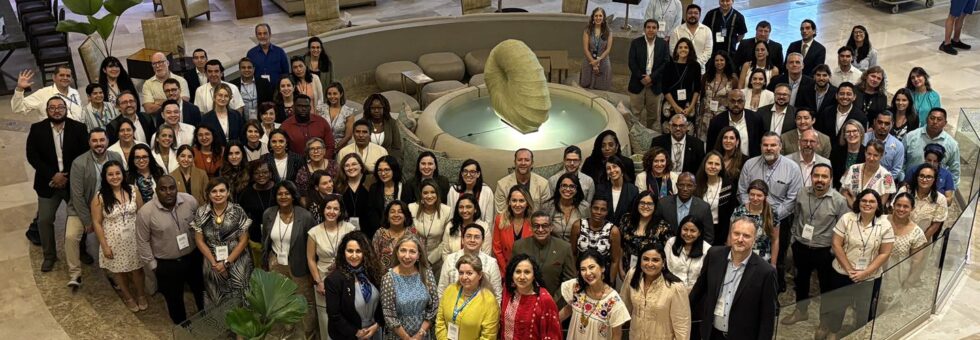
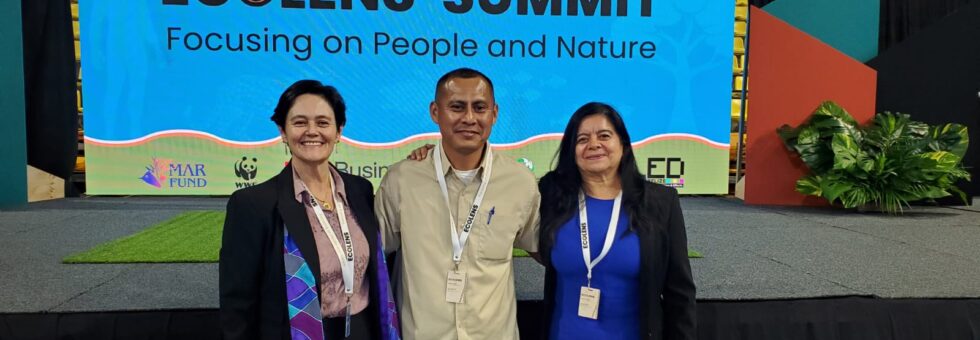
In early March 2026, the international event “ECOLENS: Focusing on People and Nature” was held in Belize, organized by the Protected Areas Conservation Trust (PACT) and the Belize Fund for a Sustainable Future. The event brought together around 250 participants from key sectors to discuss innovative financing solutions for biodiversity, especially in MPAs.
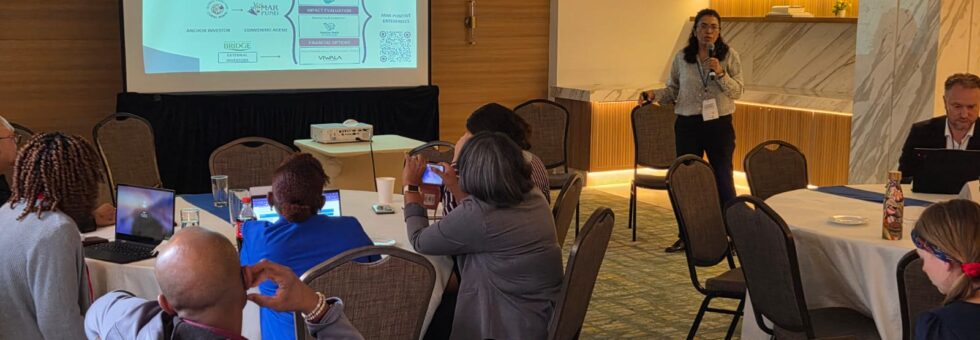
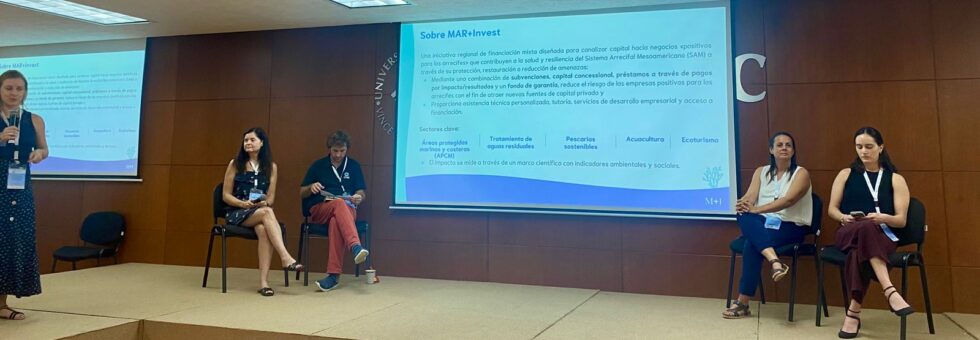
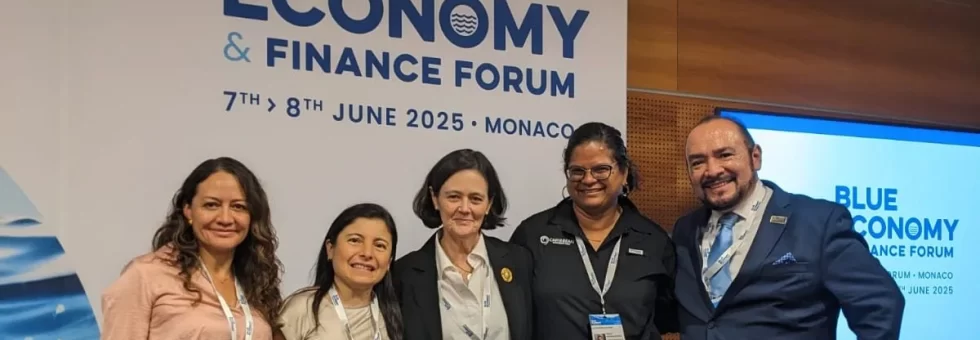
María José González, Executive Director of MAR Fund, presented the MAR+Invest initiative, focused on mobilizing capital toward projects that generate positive impacts in the MAR.
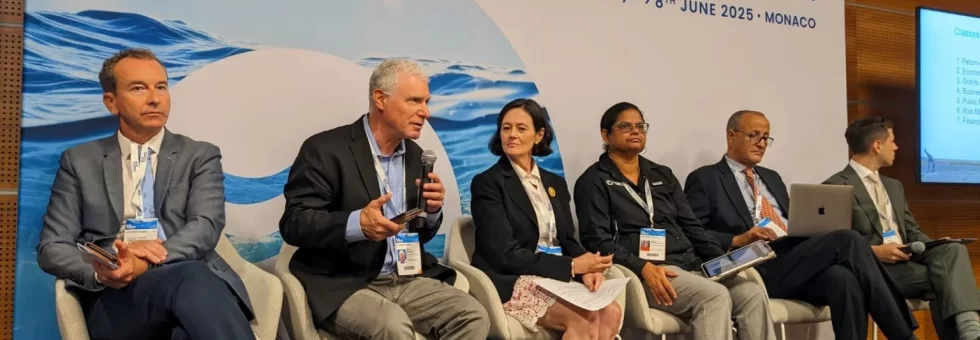
During the panel “Unlocking sustainable financing for MPAs,” mechanisms such as blue bonds, debt-for-nature swaps, and blended finance models were discussed. María José highlighted that MAR+Invest aims to strengthen ventures linked to marine conservation so they can evolve into sustainable models, combining environmental impact with economic viability.
One of the main challenges identified is that many ventures begin at early stages, without immediate access to private financing. For this reason, MAR Fund promotes a catalytic financing approach through grants, creating a pipeline that first strengthens capacities and then connects with investment.
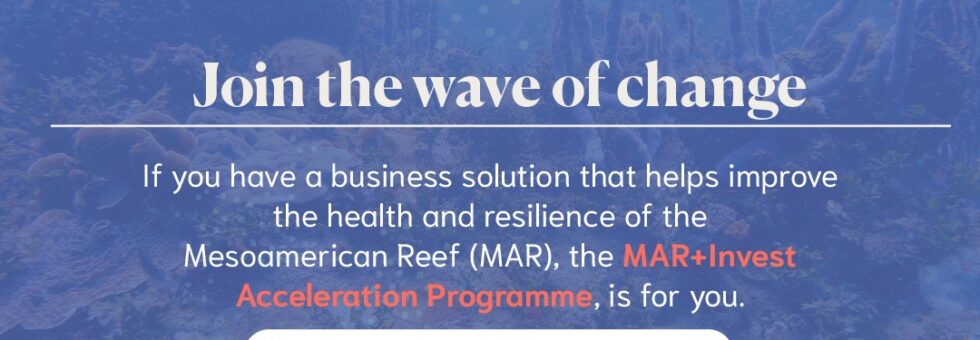
Among the key tools is the MAR+Invest Acceleration Program, led by New Ventures, a six-month mentorship program that supports early-stage ventures in business growth and investment readiness. An example of this approach in Belize is the work with the Sarteneja Alliance for Conservation and Development (SACD), an organization that co-manages marine protected areas.Through the acceleration program, SACD strengthened its ecotourism initiative Corozal Bay Eco-Adventures, generating economic opportunities directly linked to marine conservation.
The panel also highlighted the importance of reducing risks to attract private investment, especially when it comes to small or early-stage projects, through tools that help demonstrate that projects linked to the blue economy can generate environmental, social, and financial benefits:
- Guarantee funds, protect a portion of private investment against potential losses.
- Concessional or first-loss capital, where public or philanthropic funds absorb the initial investment risk.
- Innovative parametric insurance, designed to respond quickly to extreme climate events and protect both ecosystems and economic activities linked to the reef.
Looking ahead to 2030, María José emphasized three priorities: designing investment-ready projects, expanding risk mitigation mechanisms, and strengthening collaboration between the private sector and conservation.
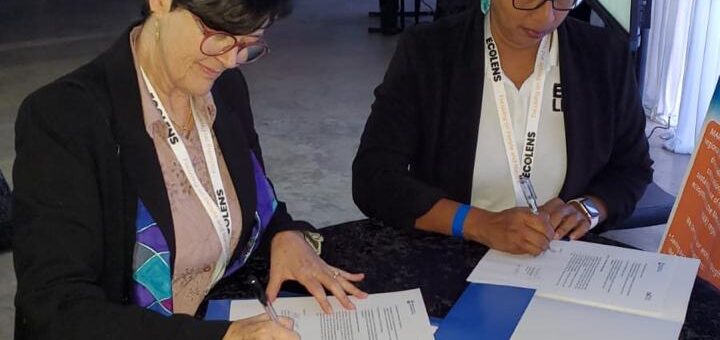
Finally, the event highlighted Belize’s leadership in innovative financial solutions, including its debt-for-nature swap. Within this framework, MAR Fund and the Belize Fund for a Sustainable Future signed a Memorandum of Understanding (MoU) to strengthen regional cooperation, share lessons learned, and explore new financing opportunities for conservation.
“The future of the Mesoamerican Reef will depend on our ability to connect financial innovation, conservation, and sustainable economic development,” María José stated.
Through MAR+Invest, MAR Fund continues to drive solutions that mobilize capital toward initiatives that protect the reef and generate opportunities for coastal communities.
Supporting market-based solutions today for a resilient Mesoamerican Reef tomorrow.Visit mar-invest.org and follow on social media to learn about opportunities, impact stories, and the latest initiatives in conservation finance.